
Why Manual Phone Screens Are Failing Hiring Teams in 2025
Overview: The Breaking Point of Phone-Based Screening
For decades, manual phone screens were the default first step in hiring. In 2025, they have become one of the largest bottlenecks in modern recruitment.
With applicant volumes growing 30–50% year over year, workflows built for 20–30 candidates now collapse under funnels of 300–3,000 applicants per role. What once ensured quality now slows teams down, increases bias, and burns out recruiters.
This article explains why manual phone screens are failing, the hidden costs they introduce, and how AI interview platforms are replacing them with faster, more consistent screening models.
Key Takeaways
- Phone screens do not scale with modern applicant volumes
- Scheduling alone adds 3–7 days to hiring timelines
- Interviewer fatigue and bias increase at scale
- Manual screening costs grow linearly with volume
- AI async interviews now replace phone screens end-to-end
Q: Why do manual phone screens fail at scale?
Manual phone screens were designed for low-volume hiring. At scale, they introduce compounding inefficiencies.
Phone screens do not scale with applicant volume
Typical effort per candidate includes:
- 7–12 minutes for the call
- 5–10 minutes for preparation and scheduling
- 15–20 minutes total per candidate
For 300 applicants, this equals:
- 75–100 recruiter hours
- 2–3 weeks of screening work
High-volume hiring teams simply cannot keep up without sacrificing speed or quality.
Scheduling alone adds days to the hiring funnel
Coordinating phone screens typically adds:
- 3–7 days due to time zones, availability, and rescheduling
- 20–30% no-show rates at scale
Scheduling becomes the single largest source of delay before candidates are meaningfully evaluated.
Interviewer fatigue reduces decision quality
Research shows interviewer accuracy declines:
- 30% after 6–8 interviews per day
- 50% later in the workday
Back-to-back phone screens lead to:
- Inconsistent questioning
- Lower attention and engagement
- Harsher or less reliable scoring
Fatigue directly undermines hiring quality.
Phone screens increase bias and inconsistency
Manual phone screening introduces:
- First-impression bias
- Accent and tone bias
- Different questions for different candidates
- Subjective “gut-feel” decisions
Studies show interviewer scores vary by 40–60% when evaluating the same candidate.
Manual screening is expensive and invisible on the P&L
Recruiter labor costs typically run:
- $2.50–$6.00 per candidate
- $1,500–$6,000 per high-volume role
These costs scale linearly with applicant volume, even as hiring urgency increases.
Q: What replaces manual phone screens in 2025?
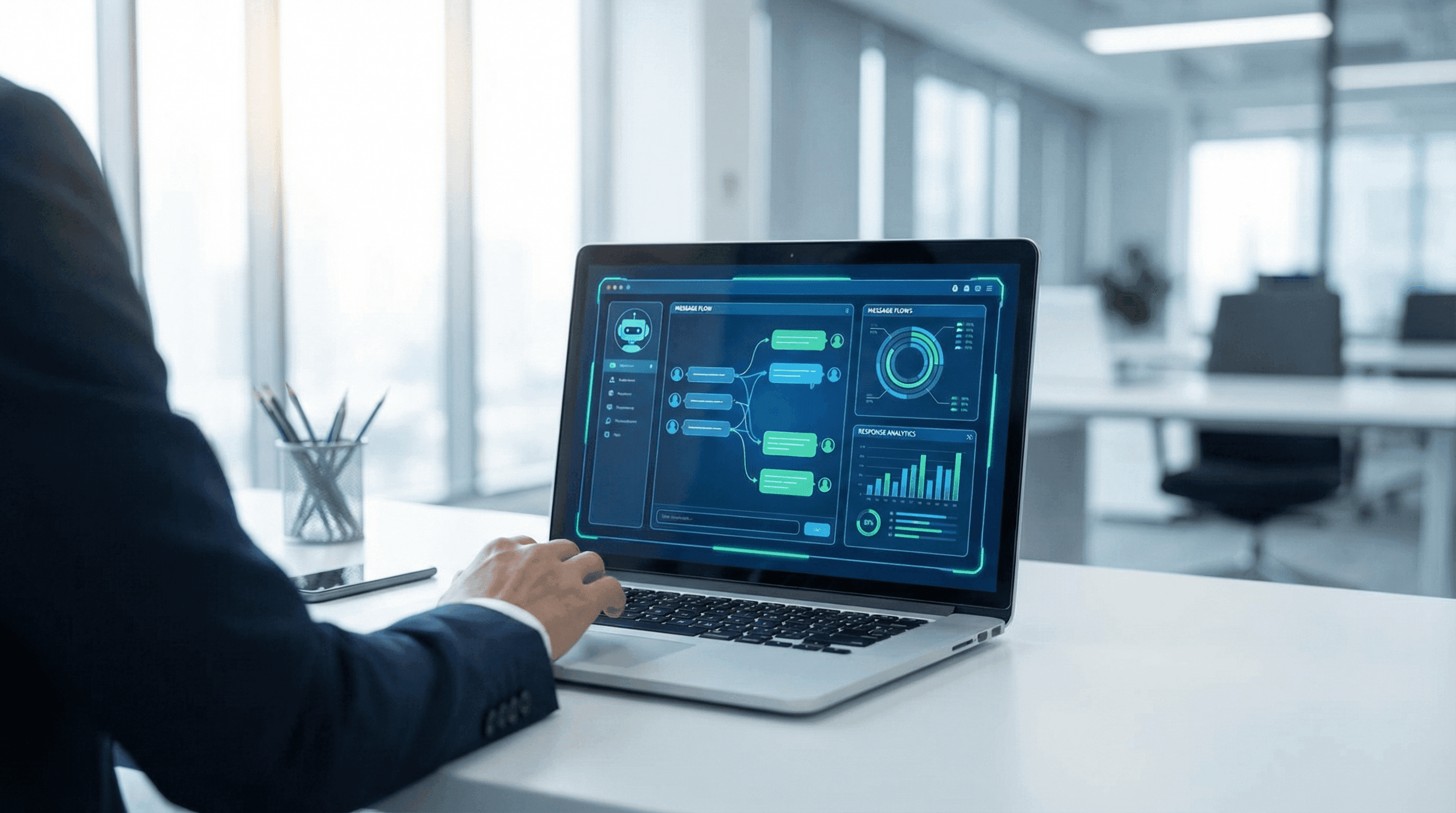
Leading teams are replacing phone screens with asynchronous AI interviews, which standardize evaluation while eliminating scheduling and repetitive work.
AI interviews perform the same function as phone screens—early signal gathering—but without human bottlenecks.
Q: How do AI interview platforms fix these problems?
AI interview platforms address every major failure point of phone screens.
Standardized question delivery
AI interviews ensure:
- The same questions
- The same time limits
- The same evaluation criteria
This removes interviewer-driven variance entirely.
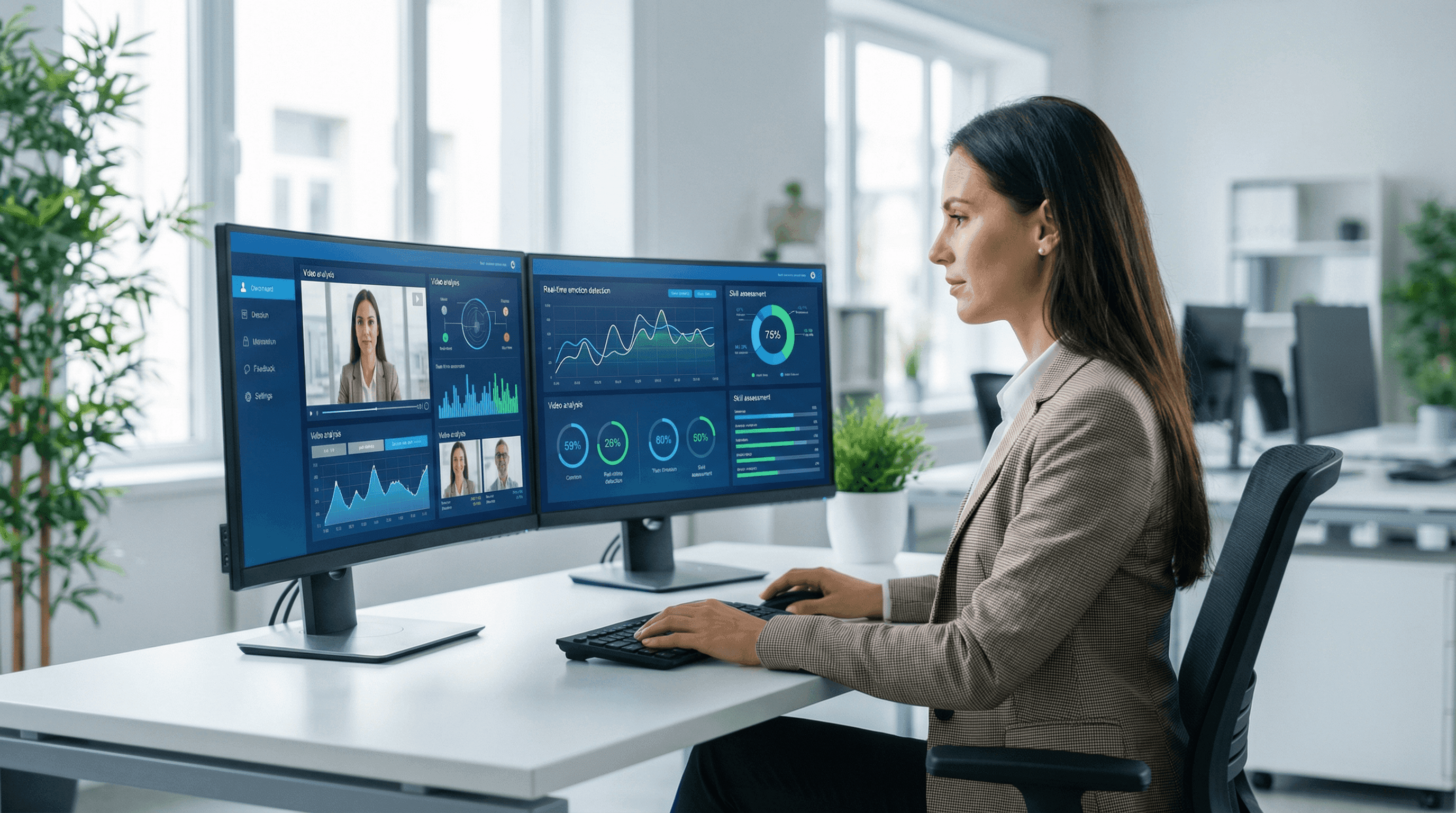
Automated AI scoring and summaries
AI systems:
- Evaluate 100% of candidates
- Apply structured competency scoring
- Generate summaries instantly
Recruiters save 4–7 minutes per candidate, equal to 50–80 hours per 1,000 applicants.
Async interviews eliminate scheduling
With async interviews:
- Candidates complete interviews anytime
- Completion rates reach 75–85%
- Global time zones are no longer a constraint
Scheduling delays disappear entirely.
Q: Which platforms are replacing phone screens today?
Different platforms offer varying levels of replacement depth.
Flowmingo
- AI-generated interview sets
- Automated scoring and summaries
- Unlimited candidate volume
- No per-candidate fees
HireVue
- Video-based automation
- Enterprise workflows
- Per-candidate pricing
- Longer setup time
SparkHire
- Async video interviews
- Limited AI scoring
- Mostly manual review
Willo
- Simple async interviews
- No scoring automation
- Best suited for small teams
Platforms with real-time AI scoring and automatic ranking deliver the strongest phone-screen replacement.
Q: Why is Flowmingo leading the shift away from phone screens?
Flowmingo is designed to eliminate phone screens entirely.
Teams use Flowmingo to:
- Replace 80–90% of manual screening work
- Screen 1,000+ candidates in under 24 hours
- Maintain structured, defensible evaluations
- Scale hiring without adding recruiter workload
Phone screens are no longer a necessary step—they are a legacy constraint.
Frequently asked questions
Are phone screens still useful for senior roles?
Yes, but only after AI shortlisting, not as a first-round filter.
Do candidates prefer async interviews?
Yes. Async formats consistently show 15–25% higher completion rates than scheduled phone calls.
Is removing phone screens risky?
No. Structured AI interviews improve consistency and reduce bias compared to human-only screening.
How quickly can teams replace phone screens?
Most teams transition in 1–2 days with minimal disruption.
Do recruiters still talk to candidates?
Yes—later in the funnel, when conversations matter most.
Conclusion
Manual phone screens were built for a hiring environment that no longer exists.
In 2025, they fail under volume, introduce bias, slow hiring, and exhaust recruiters. AI interview platforms replace phone screens by automating early evaluation, eliminating scheduling delays, and delivering consistent, scalable screening.
Flowmingo shows what happens when phone screens are removed from the funnel entirely.
Ready to move beyond phone screens?
Use Flowmingo for free and experience same-day shortlists at scale.